

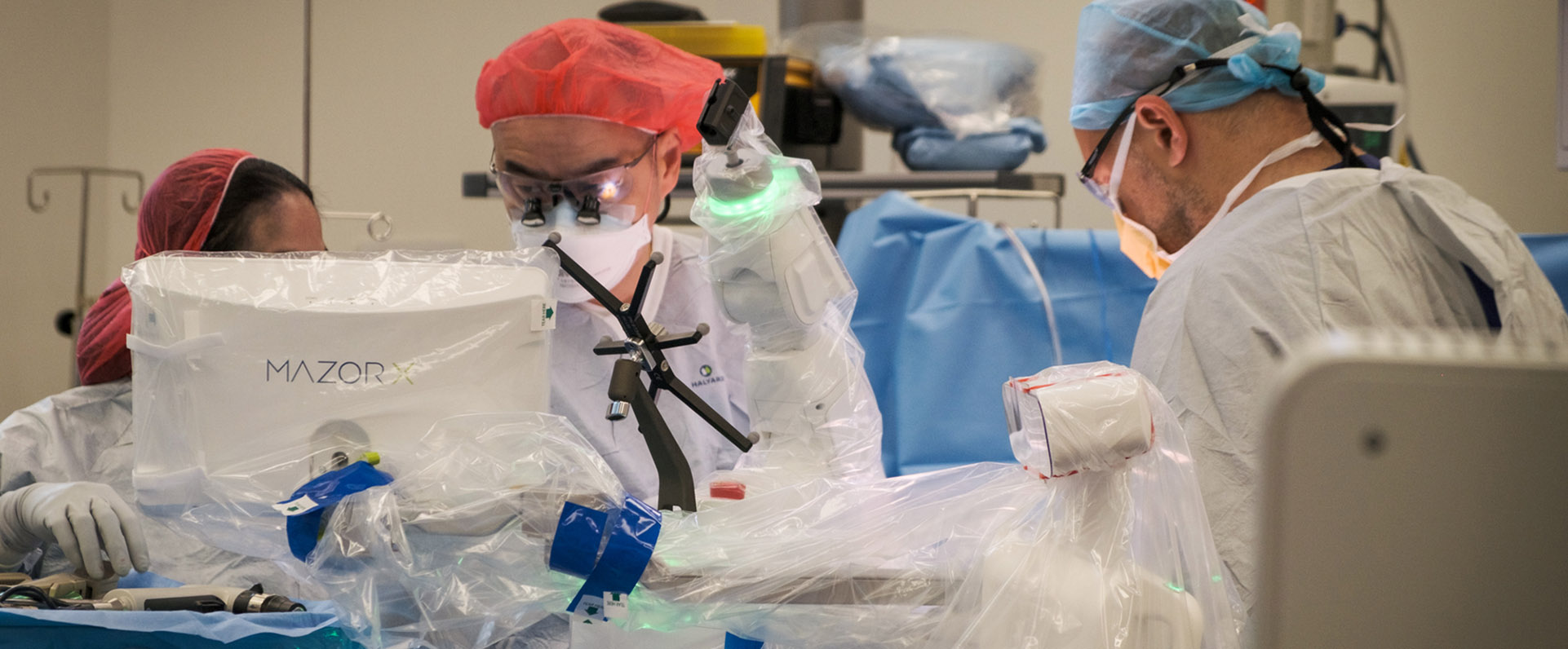
Decompression surgery is a general term used to refer to various surgical procedures that are performed to alleviate pain caused when nerves become trapped (called neural impingement) along the spine.
During decompression surgery, a small portion of the bone over the nerve root and/or disc material from under the nerve root is removed to give the nerve root more space and provide a better healing environment.
The two most common procedures performed to decompress nerves in the lumbar area are laminectomies and discectomies, detailed below:
A laminectomy is a type of minimally invasive back surgery Dr. Ooi performs to relieve spinal nerve compression that typically results from spinal stenosis or a herniated disc.
The procedure enlarges the spinal canal by removing the lamina – the back part of a vertebra covering your spinal canal. Enlarging your spinal canal relieves pressure on the spinal cord or nerves caused by bone spurs within the spinal canal. These bone spurs can narrow the space available around your spinal cord and nerves and can cause pain, weakness, or numbness that radiates down your arms or legs.
While many cases of spinal stenosis or disc herniation can be successfully treated through one or more conservative methods, such as rest, nonsteroidal anti-inflammatory drugs (NSAIDs), physical therapy, or the support of a back brace, in some instances these treatments are insufficient. If the symptoms of spinal stenosis or disc herniation become progressively worse, a laminectomy may be recommended.
The Procedure
While the patient is under general anesthesia, Dr. Ooi will make a small incision directly over the affected area. He will then insert an imaging device (called a fluoroscope) through the incision to precisely visualize the structures of the vertebrae and pinpoint the problem area.
Depending on the extent of the damage, the lamina may be removed in portions or in its entirety on both sides of the spine. Typically, Dr. Ooi will try to minimize the amount of excision in order to provide a minimally invasive intervention. However, sometimes the entire lamina is removed, depending on the extent of the damage. By removing the lamina, bone spurs, and other debris, the compression of the spinal cord and spinal nerves is alleviated, and symptoms improve.
The laminectomy procedure typically lasts one or two hours, depending on the extent of the operations and the number of involved levels of the spine.
Disc herniation is a common condition and can occur either because of gradual wear and tear or as an acute injury to the disc.
While surgery is not needed in all cases, a discectomy is considered a highly effective option that can relieve pain quickly. Dr. Ooi will determine whether this procedure is right for you after a thorough evaluation of your condition.
Patients can benefit from a customized physical therapy and exercise program during recovery to help restore strength and flexibility and to reduce recurring back pain or disc herniation. These programs usually start with walking and can progress to bicycling and swimming within a few weeks.
The Procedure
The goal of a discectomy is to remove the disc material that is putting pressure on the nerves by the herniated disc. With the patient lying face down, Dr. Ooi makes an incision directly over the affected disc through which he removes the damaged disc. This eliminates pressure on the compressed nerve, thus relieving the pain and other symptoms the compression causes.
He then closes the small incision with sutures. Patients are typically discharged the same day or the morning after an overnight stay in the hospital.

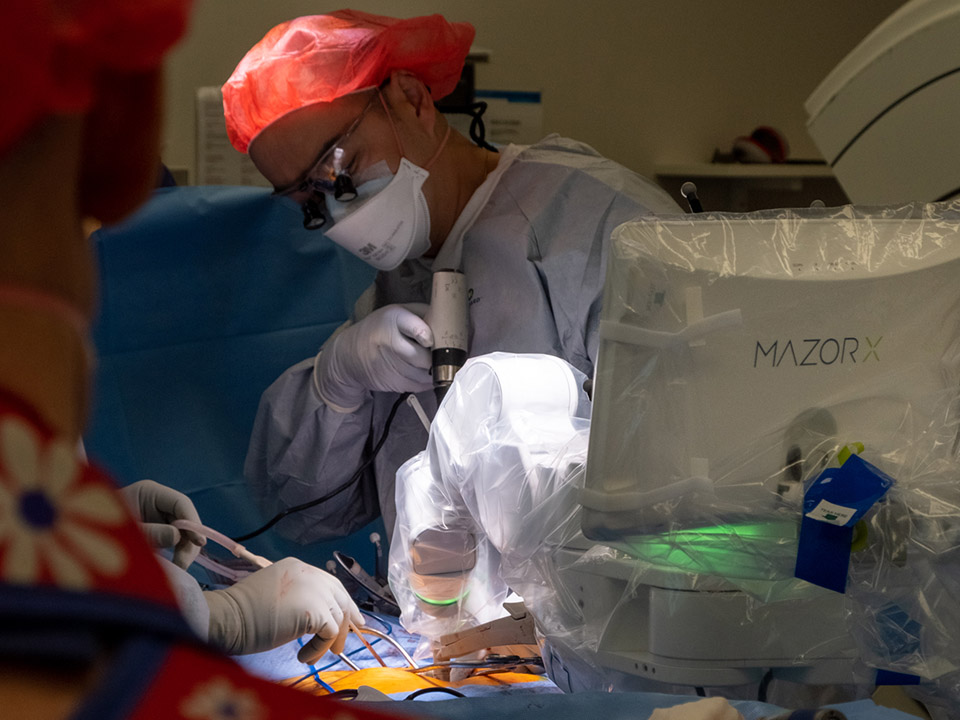
Spinal fusion surgery is designed to permanently connect two or more vertebrae in your back or neck to stop painful motion between vertebrae by “fusing” them together.
Most commonly, this type of surgery is performed to alleviate the pain and disability caused by conditions such as:
There are a number of different ways to reach the spine and perform spinal fusion. Which one Dr. Ooi will use depends on the location of your damaged disc and your own unique needs.
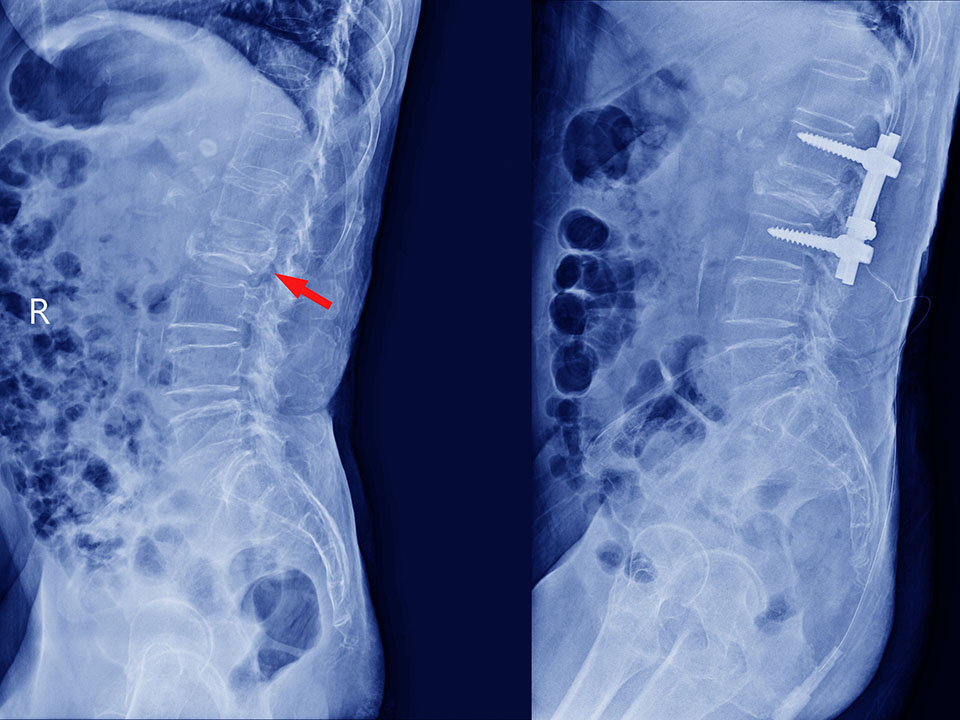
During the procedure, Dr. Ooi makes a small incision and removes the damaged disc. He then places a bone graft spacer between two vertebrae to restore height and relieve nerve pinching. As your body begins to heal, new bone grows around the graft, fusing the two vertebrae into one solid piece of bone in about three to six months. Metal plates, screws, and rods may be used to hold the vertebrae together so they can heal as one solid unit.
During a disc replacement procedure, Dr. Ooi will remove the injured disc and replace it with an artificial disc that is designed to replicate the natural motion of the spine.
This procedure is typically performed for patients who have disc herniation or degenerative disc disease that is causing them chronic pain, which hasn’t been relieved by non-surgical treatments.
Through this type of surgery, patients:
The procedure is designed to relieve the pressure on your spinal cord or nerves that are causing the pain, numbness, and weakness.
During the disc replacement procedure, Dr. Ooi will make a small incision through which he removes the damaged disc. After he removes the damaged disc, he will smooth away any bone spurs and then place and anchor the artificial disc in the empty space that is left. He then closes the incision and covers it with a dressing.
You will then be moved to a recovery room where you will be monitored for the next few hours. After you have recovered, you will be sent home with post-op instructions.

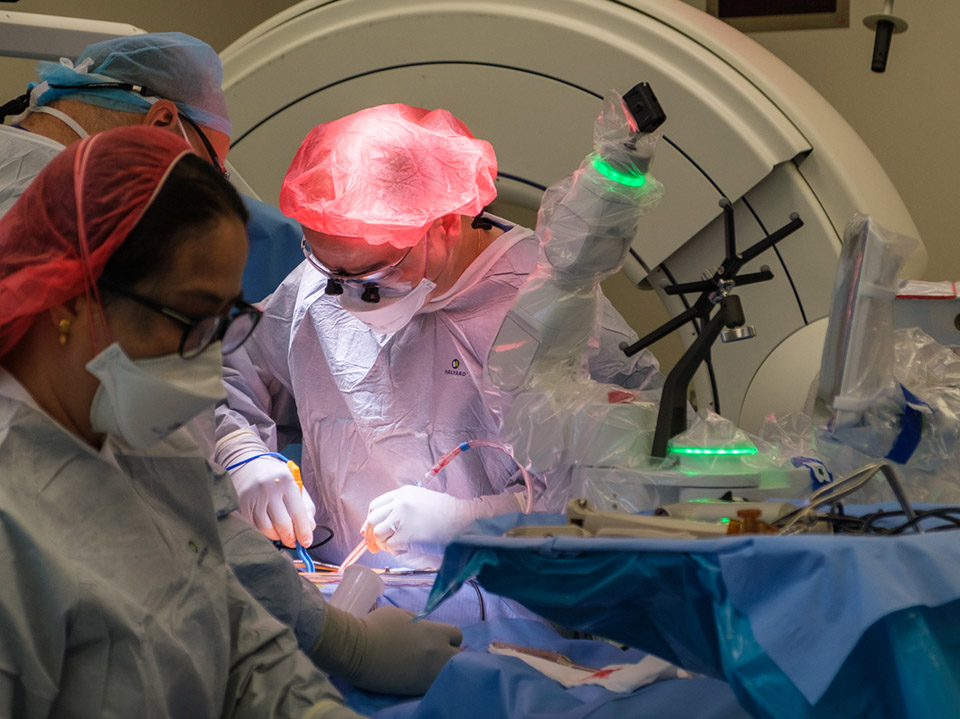

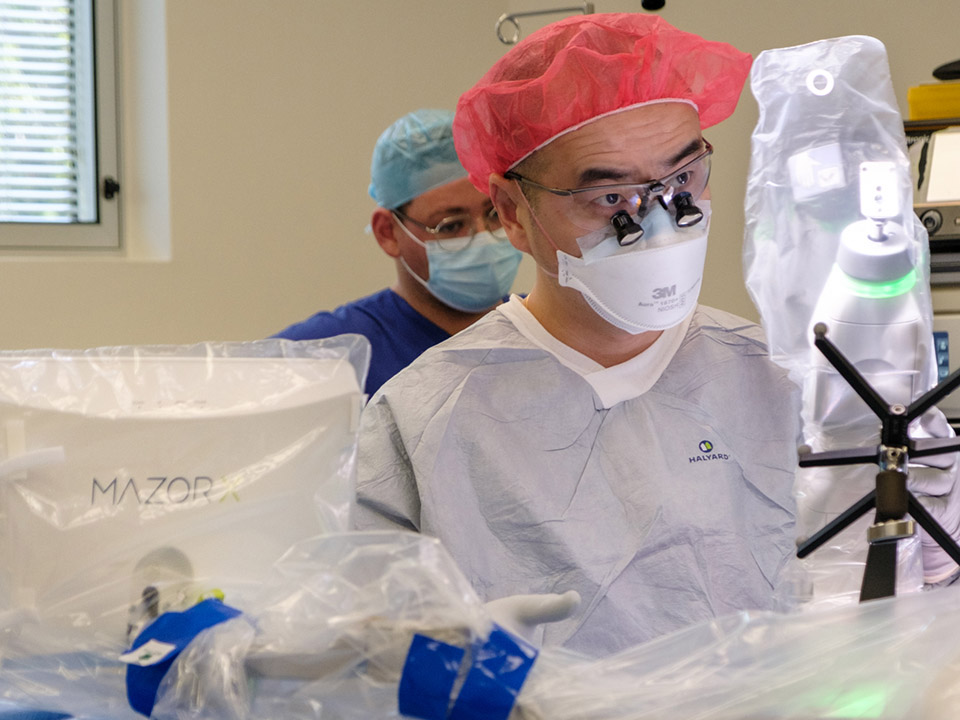
Unfortunately, even with meticulously executed spine surgeries, complications can sometimes happen. Some patients won’t heal well, others don’t receive the outcomes they hope for.
Some patients whose spine surgeries aren’t considered “successful” may have been told nothing more can be done to relieve their pain, but that isn’t necessarily always accurate. While revision spine surgeries are more technically demanding than first surgeries, Dr. Ooi is one of very few surgeons who are skilled enough to specialize in it.
To this end, Dr. Ooi has created a protocol for revision spine surgery that includes:
Some examples of the types of revision spine surgeries Dr. Ooi performs include minimally invasive nerve decompression, spinal fusions, and surgery for adjacent level diseases.